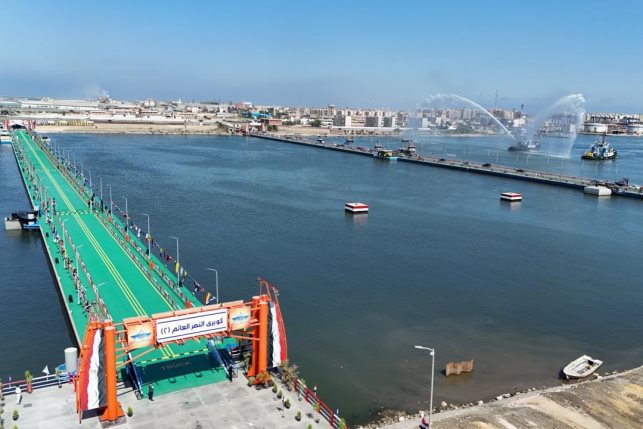
It spans 428 metres in length, 15 metres in width, and weighs around 3,000 tonnes of steel. The structure consists of five pontoons, including fixed and movable sections that open to allow maritime traffic through the Suez Canal.
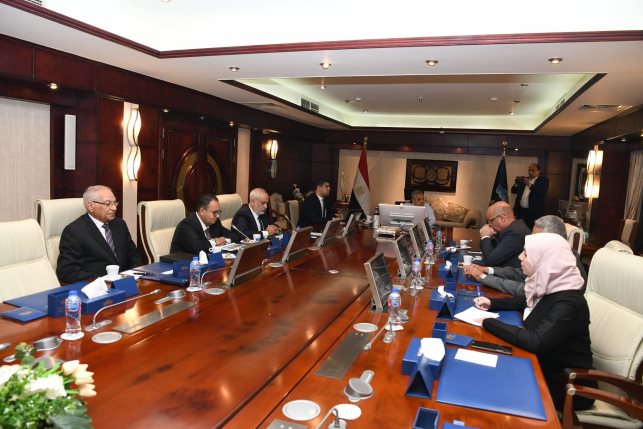
The two parties explored the possibility of forming a partnership to develop the Port Said Shipyard by attracting investments to upgrade the facility into a global hub for shipbuilding, repair, maintenance, and green ship recycling.
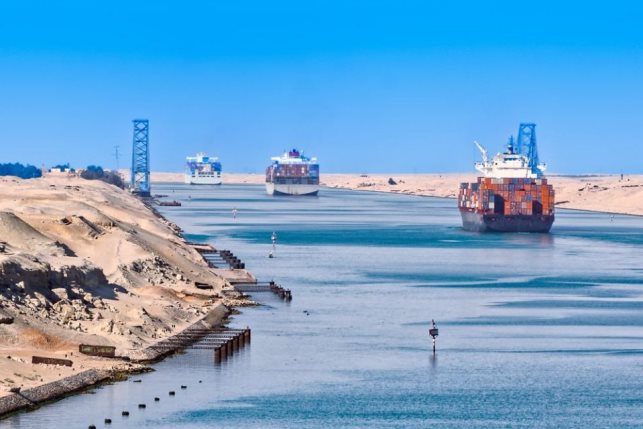
During the meeting, both sides discussed mechanisms for joint cooperation to attract oil tankers and dry bulk carriers operating between Europe and Asia, with the goal of encouraging them to return to using the Suez Canal.
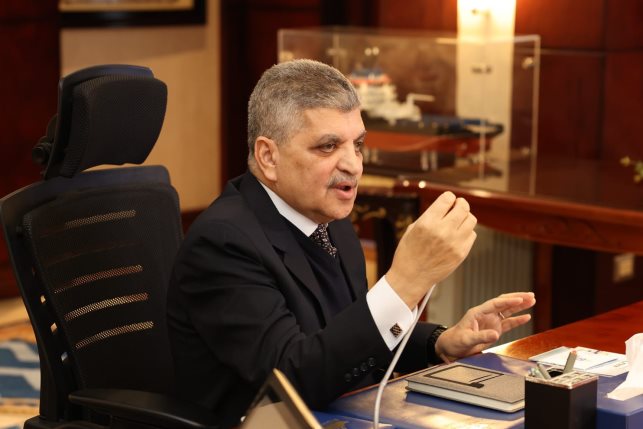
Rabie emphasized the strategic nature of the visit, highlighting that disruptions in the Red Sea have reaffirmed the canal's role in safeguarding global supply chain continuity.
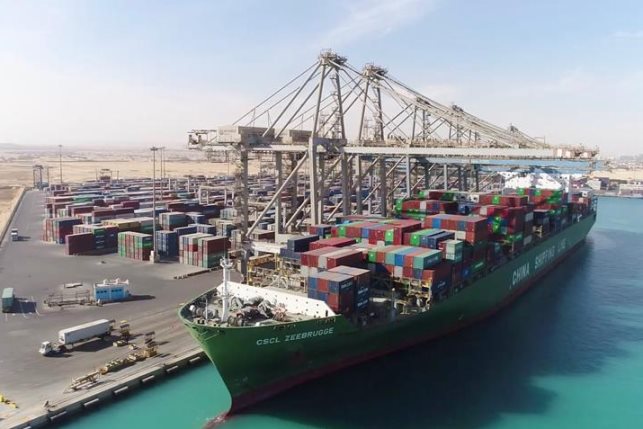
According to government figures, the disruption in maritime traffic has cost Egypt at least $7 billion in lost canal revenues so far in 2024.